
The “4-party” linkage to build the Vietnamese agarwood industry: From indigenous resources to a billion-dollar green value chain
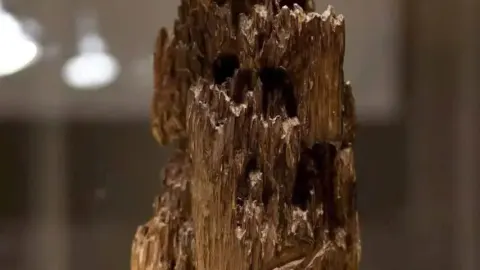
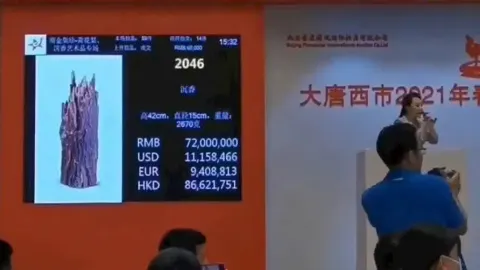
VAWA - For centuries, agarwood has been considered one of the rarest and most precious products of the East, present in religious culture, traditional medicine, high-end fragrance manufacturing, and international trade. However, as natural agarwood resources are increasingly depleted, the challenge is no longer how much can be harvested, but how to build a modern agarwood industry capable of regenerating resources, creating significant added value, and developing sustainably.
VOV.VN - For centuries, agarwood has been considered one of the most precious and rare products of the East, present in religious culture, traditional medicine, high-end fragrance manufacturing, and international trade. However, as natural agarwood sources become increasingly depleted, the challenge is no longer about how much can be harvested, but how to build a modern agarwood industry capable of regenerating resources, creating significant added value, and ensuring sustainable development.
In this context, a collaborative model consisting of scientists - technical teams - growers - traders is emerging as a strategic structure that can lead Vietnam's agarwood industry away from raw extraction and into an era of high-value bio-economy.
Agarwood: A precious resource yet to be properly exploited
Vietnam has long been considered one of the countries with favorable natural conditions for the growth of the Aquilaria tree (Aquilaria crassna) - the species that produces high-value commercial agarwood. The South Central Coast, Central Highlands, Southeast, and parts of the Mekong Delta all have the potential to develop large-scale raw material areas.
However, the paradox is that despite possessing natural advantages, the domestic agarwood industry still operates in a fragmented, dispersed, and non-standardized manner. Most of the highest value in the product chain - such as premium essential oil, niche perfume ingredients, biological pharmaceuticals, natural cosmetics, and wellness products - remains in the deep processing and international trade stages, where Vietnam has not yet exploited its potential proportionately.
According to many international market research organizations, the global agarwood market is growing steadily due to strong demand in the Middle East, Japan, South Korea, Taiwan (China), India, and the European high-end fragrance segment. Some forecasts suggest that the market size could reach billions of USD in the coming decade if the supply chain is standardized.
This means: Vietnam is holding a "green gold mine," but to exploit it, a new management model is required.
Scientists: The hub for technological breakthroughs
If agarwood is viewed as a bio-industry, science and technology must be at the forefront of the chain.
In the past, agarwood formation relied heavily on natural chance or simple mechanical methods such as drilling into the trunk to cause injury and stimulate the tree to secrete resin. This approach resulted in low yields, inconsistent quality, and took many years.
Currently, technologies involving enzymes, microbiology, biological induction, and active ingredient analysis open up a completely different path. Instead of "forcing the tree to be wounded," modern science can trigger the natural defense mechanism of the Aquilaria tree in a controlled manner, thereby promoting the agarwood formation process faster and more stably.
Furthermore, laboratories can analyze the content of sesquiterpenes, chromones, and characteristic aromatic compounds - the factors that determine the commercial value of agarwood. This is an extremely important step, because today's high-end market does not buy based on intuition but based on chemical standards, traceability, and biological safety.
In other words, scientists do not just create agarwood - they create market trust.
Technical teams: The link determining success in the field
Many high-tech agricultural models fail not because of a lack of innovation, but because of a lack of technology transfer forces. The agarwood industry is no exception.
There is a significant gap between theory in the laboratory and success in the field. How many years old should the tree be? Where should it be drilled? What is the density of the holes? What is the dosage of the preparation? How does the tree react after 30, 90, or 180 days?
All of this requires a highly skilled technical team that understands plant physiology and has the ability to handle each specific soil condition. A wrong procedure can cause the tree to become exhausted, die, or produce low-quality agarwood. Conversely, the right procedure helps increase the success rate and shortens the cycle to about 24 - 36 months, instead of lasting many years as before.
In the modern economy, this is the "scale-up" capability - turning technology into large-scale production.
Growers: The foundation of the green economy
If science is the brain and technology is the arm, then the growers are the foundation of the entire ecosystem.
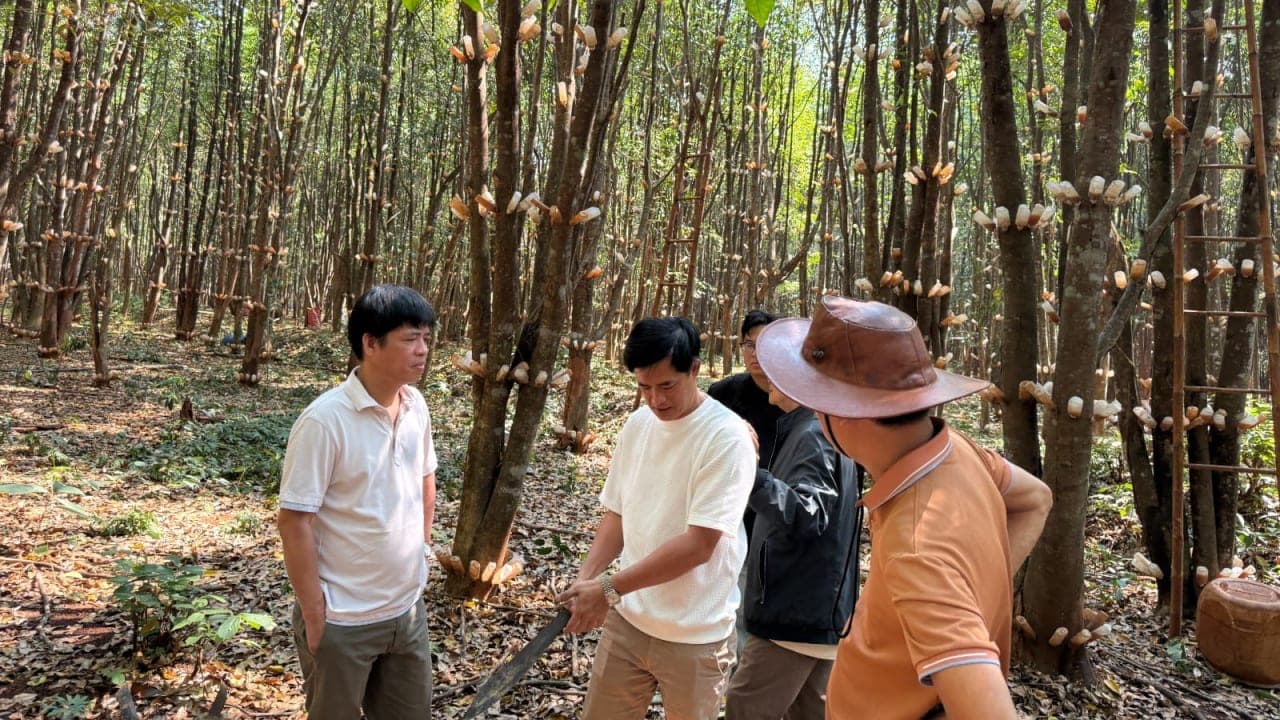
Vietnam has tens of thousands of hectares of hilly land, converted land, or low-efficiency crop areas that can be restructured into high-value Aquilaria forest models. Compared to many short-term crops with volatile prices, the Aquilaria tree offers long-term asset prospects, both generating income and increasing ecological cover.
One hectare of Aquilaria trees, if well managed, can generate revenue many times higher than low-productivity industrial crop models. More importantly, Aquilaria forests contribute to water retention, erosion control, carbon absorption, and rural landscape restoration.
In a world moving towards Net Zero, such profitable forestry models will become increasingly valuable.
Traders: Those who turn products into a national brand
Many Vietnamese agricultural products are strong in production but weak in the market. Agarwood must not fall into that trap.
The role of traders is not just to buy and sell, but to research global consumer demand. The Middle East prefers high-end incense, Japan values the way of incense (Kodo) and sophistication, South Korea is interested in wellness, and Europe has a trend for niche perfumes and natural cosmetics.
Each market needs a different product line. If we only export raw materials, Vietnam will always remain at the bottom of the value chain. But if we engage in deep processing, brand packaging, standardized certification, and tell the story of indigenous culture, the value can increase many times over.
Lessons from coffee, cocoa, ginseng, or essential oils show that: the country that controls the brand, controls the profit.
The "4-party" link: A mechanism to prevent value chain disruption
The greatest strength of this model lies in its synergy.
Scientists create technology and standards.
Technical teams implement the correct procedures.
Growers provide a stable raw material area.
Traders open markets and maximize value.
Missing one link, the chain will break. With all four links, the agarwood industry can operate as a complete industry.
This is also the mindset that Israel applies to desert agriculture, the Netherlands to flowers and plant varieties, South Korea to ginseng, and Japan to essential oils and incense products.
What does Vietnam need to break through?
To make agarwood a major economic sector, at least 5 policy pillars are needed:
National raw material area planning linked to biodiversity conservation.
National standards for agarwood and agarwood essential oil.
Support for biotechnology research and intellectual property.
Green credit for farmers and businesses growing Aquilaria trees.
International trade promotion, building the "Vietnam Agarwood" brand.
If done well, agarwood will not just be an agricultural product, but can become a high-value export industry combining culture, tourism, healthcare, and the fragrance industry.
From "forest bounty" to national strategy
In the past, agarwood was seen as a gift of chance from nature. But in the knowledge economy era, agarwood must be viewed as a bio-industry that can be planned, invested in, and scaled up.
The link of Research - Technology - Production - Trade is not just a production model, but a new development mindset: turning indigenous resources into a global competitive advantage.
If we follow the right path, Vietnam can absolutely become the world's high-quality agarwood hub - where value lies not in cutting down a forest tree, but in building an entire sustainable green economic ecosystem.
Thảo luận (0)
✦ Hội Trầm Hương Việt Nam ✦
Join the agarwood community discussion
Comment, share, and connect with 50+ agarwood industry businesses. Register for free to become a member of the Vietnam Agarwood Association.